
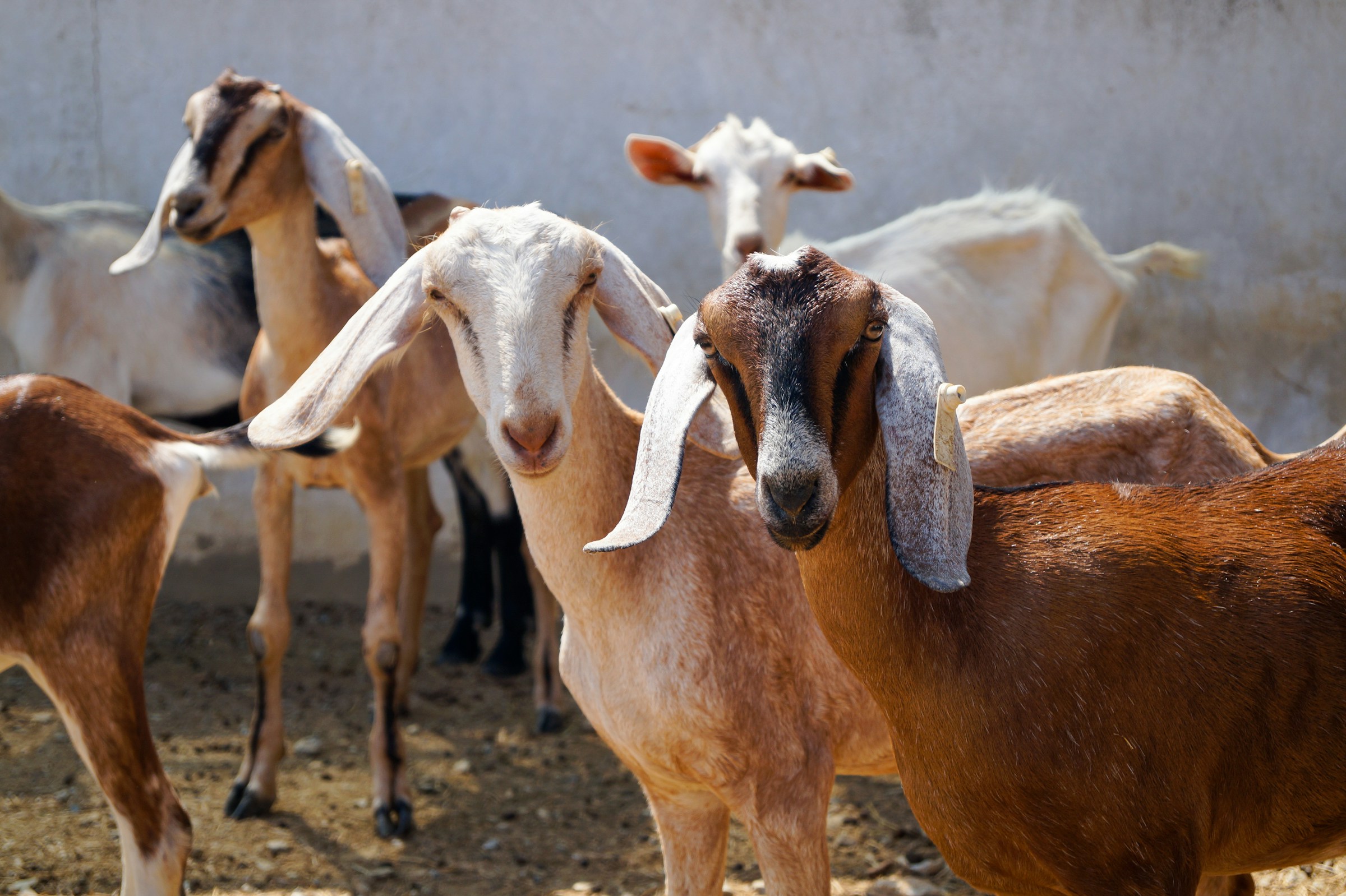
Successful livestock farming begins with healthy animals and strong management practices. Whether you raise cattle, goats, or sheep, maintaining the health and productivity of your herd requires consistent care, proper nutrition, and attention to animal welfare. Strong livestock management not only improves animal performance but also supports long-term farm profitability.
Start with Quality Livestock
Healthy herds begin with selecting strong animals from trusted sources. Livestock with good genetics, sound health records, and strong physical condition often perform better over time.
When selecting cattle, goats, or sheep, look for:
- Bright eyes and alert behavior
- Healthy body condition
- Strong movement and posture
- Good breeding characteristics
- Signs of overall health and vitality
Choosing quality livestock creates a stronger foundation for herd growth and productivity.
Provide Proper Nutrition
Nutrition plays a major role in livestock health and development. Animals require balanced diets that support growth, reproduction, milk production, and overall health.
A healthy feeding program may include:
- Quality grazing or pasture
- Nutrient-rich feed supplements where needed
- Clean, fresh water
- Mineral and vitamin support
Different livestock species and age groups have different nutritional needs, so feeding programs should be adjusted accordingly.
Maintain Clean Living Conditions
A clean environment reduces stress and helps lower the risk of disease. Proper housing and grazing management create healthier conditions for animals.
Good farm management practices include:
- Keeping feeding and watering areas clean
- Maintaining dry resting areas
- Managing waste effectively
- Preventing overcrowding
- Rotating grazing areas when possible
Healthy environments contribute to stronger animals and improved herd performance.
Focus on Preventative Health Care
Preventing disease is often more effective and affordable than treating illness after it occurs. Regular health management helps identify potential issues early.
Preventative care may include:
- Vaccination programs
- Deworming schedules
- Routine health inspections
- Veterinary support when needed
- Monitoring animals for unusual behavior
Early attention to health concerns can reduce losses and maintain herd productivity.
Monitor Breeding and Genetics
Strong breeding programs help improve the overall quality of a herd over time. Selecting animals with desirable characteristics can support productivity and long-term farm goals.
Important factors include:
- Fertility
- Growth rates
- Adaptability
- Disease resistance
- Temperament
Careful breeding decisions help build stronger and healthier livestock populations.
Reduce Stress During Handling and Transport
Animals exposed to excessive stress can experience reduced productivity and increased health risks. Gentle handling and proper transport practices support animal welfare.
Helpful practices include:
- Moving animals calmly
- Avoiding overcrowding during transport
- Providing sufficient space
- Limiting unnecessary disruptions
Lower stress levels often lead to healthier and more productive animals.
Adapt to South African Farming Conditions
South African farmers face varying climates, grazing conditions, and environmental challenges. Choosing livestock suited to local conditions can improve performance and reduce management difficulties.
Animals adapted to local environments often cope better with:
- Temperature changes
- Grazing availability
- Regional diseases
- Water conditions
Matching livestock to farming conditions supports long-term sustainability.
Final Thoughts
Raising healthy cattle, goats, and sheep requires more than simply providing food and shelter. Strong livestock selection, proper nutrition, preventative healthcare, and good farm management all work together to create productive and sustainable herds.
At Niemann Veeplaas, we believe quality livestock starts with responsible farming practices, helping farmers access healthy animals and dependable agricultural solutions for long-term success.