
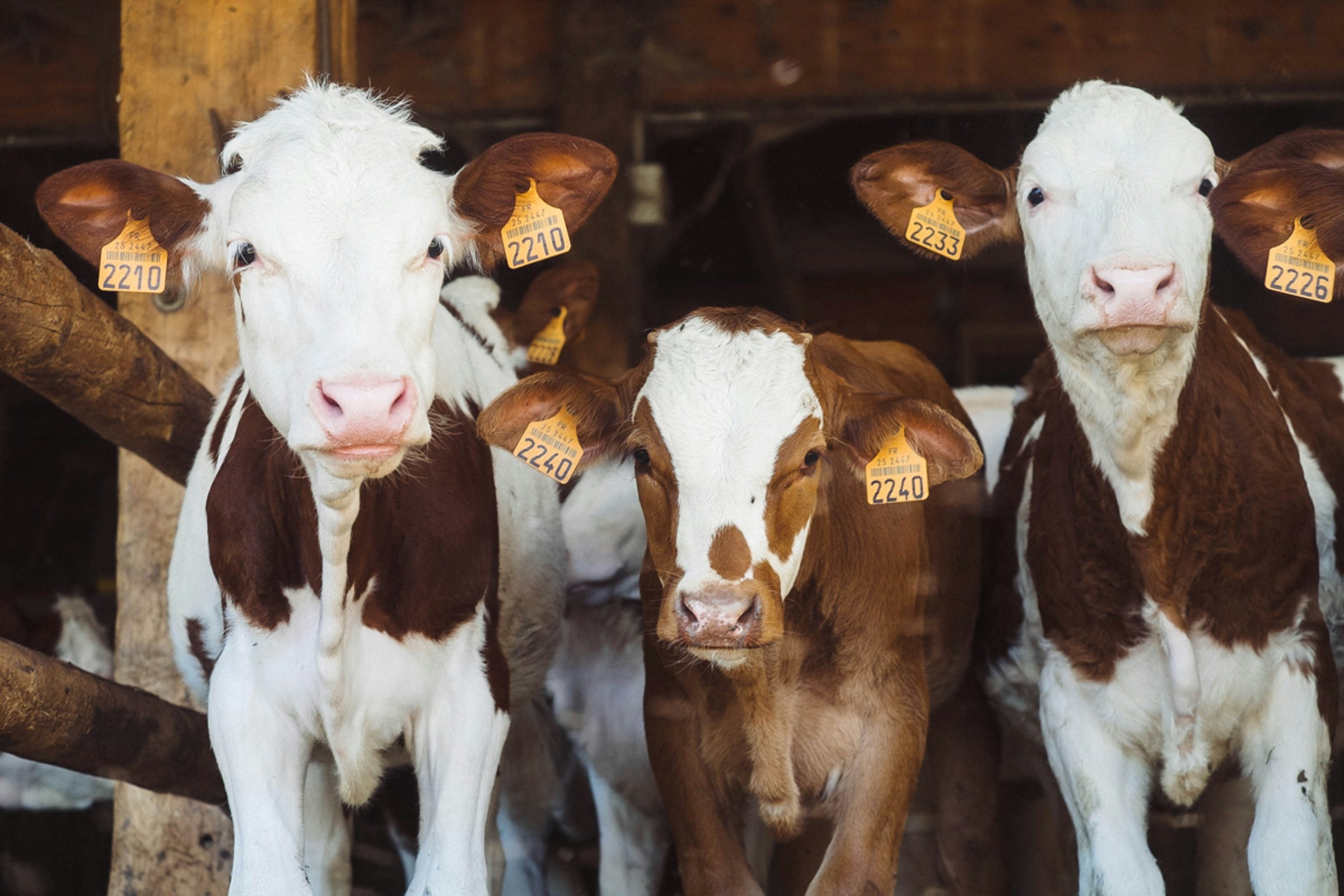
Choosing healthy livestock is one of the most important decisions any farmer can make. Whether you are starting a new farming operation or expanding an existing one, the quality and health of your animals directly affect productivity, breeding success, and long-term profitability. In Australia’s diverse farming environments, selecting strong and healthy livestock can help reduce veterinary costs and improve overall farm performance.
Start with a Trusted Supplier
The first step in buying livestock is choosing a reliable source. Reputable livestock suppliers maintain proper animal care standards, provide healthy feeding programs, and manage their herds and flocks carefully. Animals raised in well-managed environments are more likely to adapt successfully to their new surroundings.
Ask questions before buying:
- Where were the animals raised?
- What feeding methods were used?
- Have vaccinations been administered?
- Is there a health history available?
- Have the animals received veterinary care?
Working with a trusted supplier gives you confidence in the quality and condition of the livestock you bring onto your farm.
Observe the Animal’s Physical Condition
Healthy livestock usually show visible signs of good health. Take time to inspect each animal before making a purchase.
Look for:
- Bright, clear eyes without discharge
- A clean nose and healthy breathing
- Smooth skin or coat with no unusual patches
- Alert and active behavior
- Proper body condition—not too thin or excessively overweight
- Normal movement without limping or stiffness
Animals that appear weak, lethargic, or isolated from the group may have underlying health issues.
Check Age and Breeding Potential
Your farming goals should influence the age and type of livestock you buy. Younger animals may offer longer productive lives and breeding opportunities, while mature animals may provide immediate production benefits.
For breeding stock, consider:
- Reproductive history
- Breed characteristics
- Growth rates
- Fertility records where available
Choosing animals suited to your production goals helps create a stronger and more productive herd over time.
Consider Australia Farming Conditions
Australia has varying climates and farming conditions across regions. Livestock should be suited to your local environment, grazing conditions, and management systems.
Factors to consider include:
- Heat tolerance
- Disease resistance
- Grazing adaptability
- Water availability
- Local environmental conditions
Animals adapted to regional conditions generally require less intervention and perform more consistently.
Review Vaccination and Health Records
Health records can provide valuable insight into an animal’s condition and management history. Vaccination schedules and disease prevention programs are essential for reducing risk.
Request documentation where possible for:
- Vaccinations
- Deworming treatments
- Veterinary examinations
- Breeding records
Good record keeping often reflects responsible livestock management practices.
Plan for Transport and Arrival
Livestock health can also be affected by transport conditions. Proper handling and safe delivery reduce stress and minimize the risk of injury.
When arranging transportation:
- Ensure adequate space during travel
- Avoid unnecessary delays
- Provide water access where needed
- Prepare suitable housing before arrival
A smooth transition helps animals settle more quickly into their new environment.
Final Thoughts
Healthy livestock form the foundation of a successful farm. By choosing trusted suppliers, carefully inspecting animals, reviewing health records, and selecting livestock suited to Australia weather conditions, farmers can build stronger and more productive operations.
At Niemann Veeplaas, quality livestock and reliable agricultural solutions are at the heart of what we do, helping farmers access healthy animals and dependable farm supplies with confidence.